
Atolio for ChatGPT
ChatGPT, grounded in everything your company knows
Connect ChatGPT to Atolio once. Your content stays indexed in your environment, and every answer is scoped to the user asking.
Atolio for ChatGPT
Connect ChatGPT to Atolio once. Your content stays indexed in your environment, and every answer is scoped to the user asking.
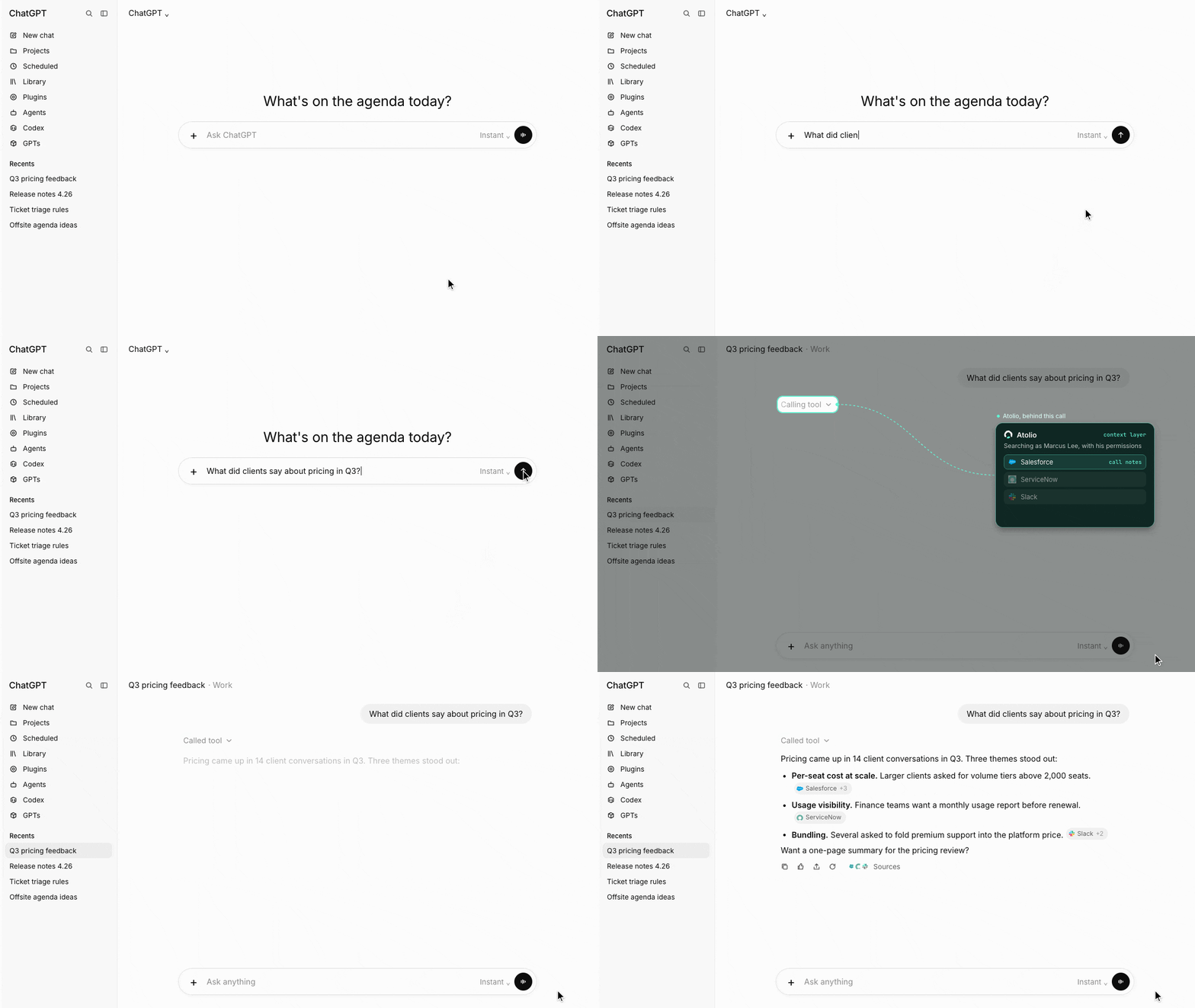

Atolio in ChatGPT
ChatGPT reads from every system you run through Atolio, instead of one app per source.
Content stays indexed in your environment. ChatGPT receives only the scoped context for each request.
Permissions sync continuously from your source systems and are checked on every query.
The same connection serves Claude, Copilot and Gemini, so changing tools doesn’t mean starting over.
Trusted by teams across leading enterprises


Add Atolio’s endpoint to ChatGPT and sign in with your identity provider. Your admins choose who can connect.
Signed in as each user
Off until you approve it
What ChatGPT receives
Inside your environment · cloud or on-prem
Signed in as each user
Every request runs as the user asking, so ChatGPT sees only what they can see.
ChatGPT
Works in
ChatGPT Business and Enterprise
Codex
Workspace agents in ChatGPT
Agents built with the OpenAI Agents SDK
ChatGPT
What did clients say about pricing in Q3?
Codex
Draft the release notes for 4.27.
Workspace agents
Triage new support tickets by product area.
What did clients say about pricing in Q3?
Atolio, behind this call

Atolio

Salesforce

ServiceNow

Slack

GitHub

Jira

Confluence
ServiceNow
Confluence
Slack
ChatGPT
Call notes, support tickets and Slack threads, summarized and cited.
Salesforce
ServiceNow
Slack
Merged pull requests, closed tickets and the product spec, pulled together.
GitHub
Jira
Confluence
An agent scoped to support data, with every call logged in Atolio.
ServiceNow
Confluence
Slack
The same index, permissions and logs work across every assistant and agent your team uses.
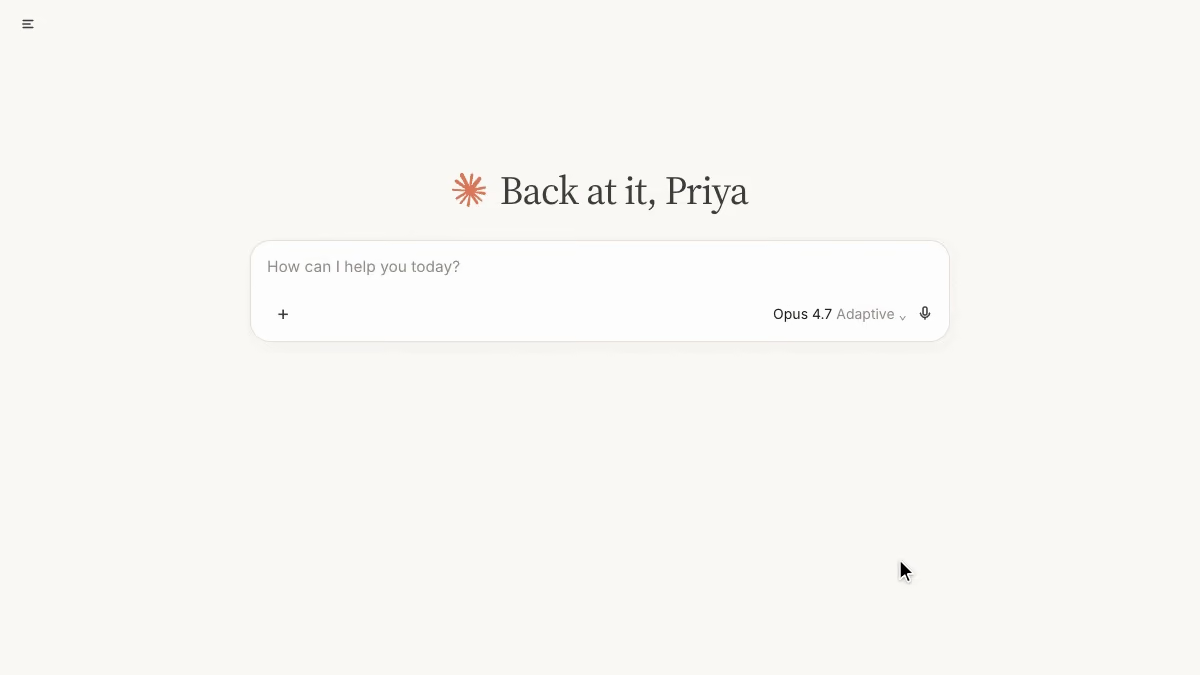

Atolio for Claude
Claude, grounded in everything your company knows
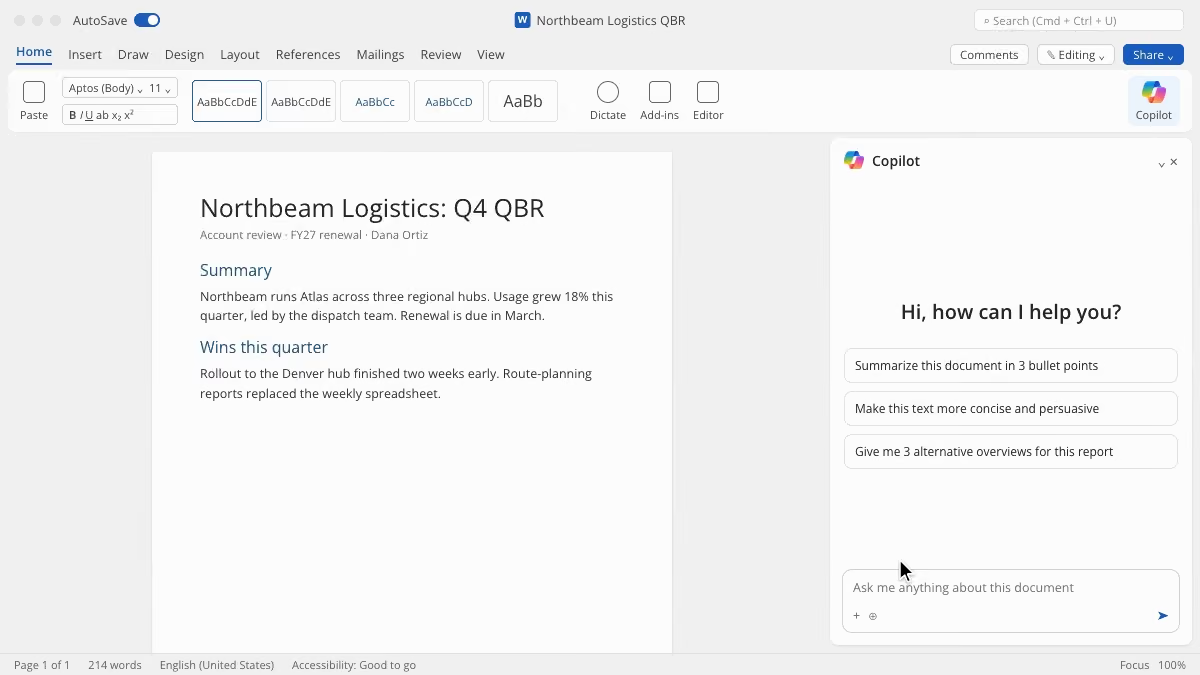

Atolio for Microsoft 365 Copilot
Microsoft 365 Copilot, grounded in every system you run
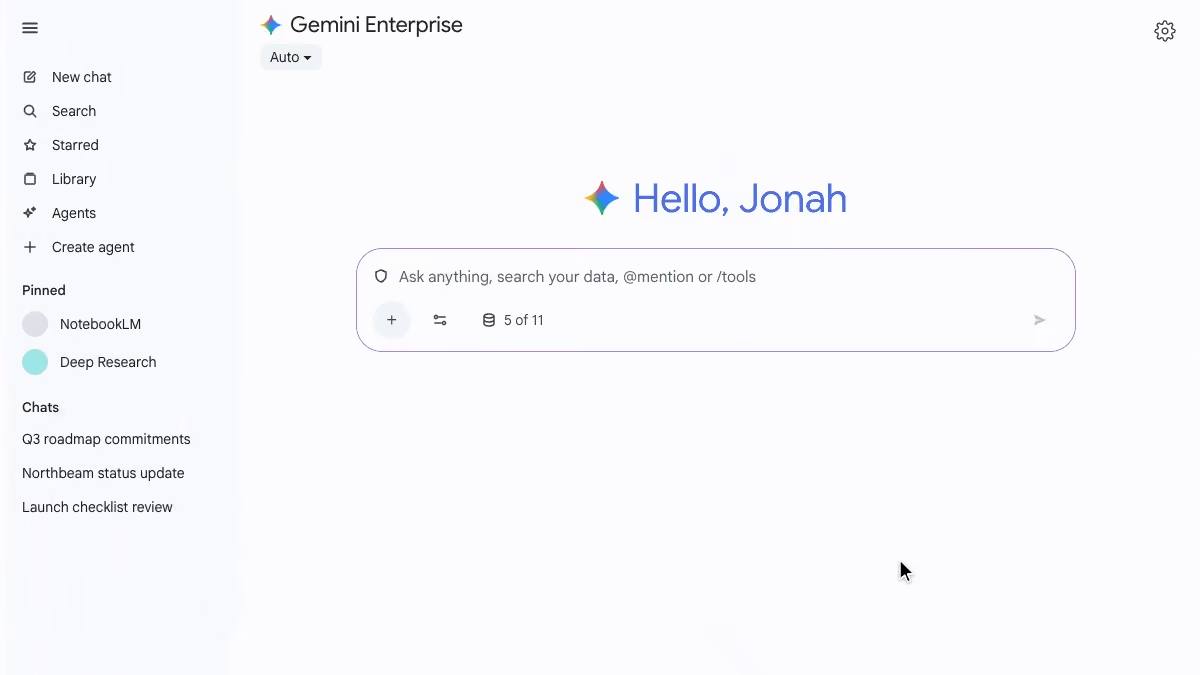

Atolio for Gemini Enterprise
Gemini Enterprise, grounded in every system you run
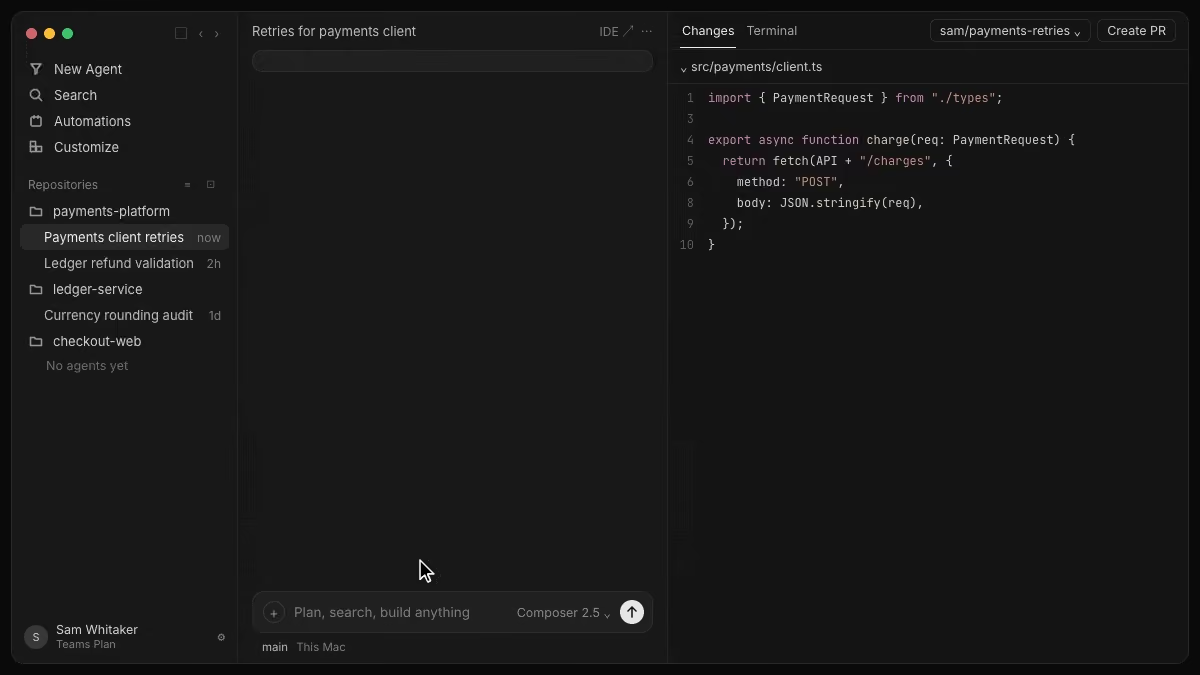

Atolio for Cursor
Cursor, now with your company context powering every line of code
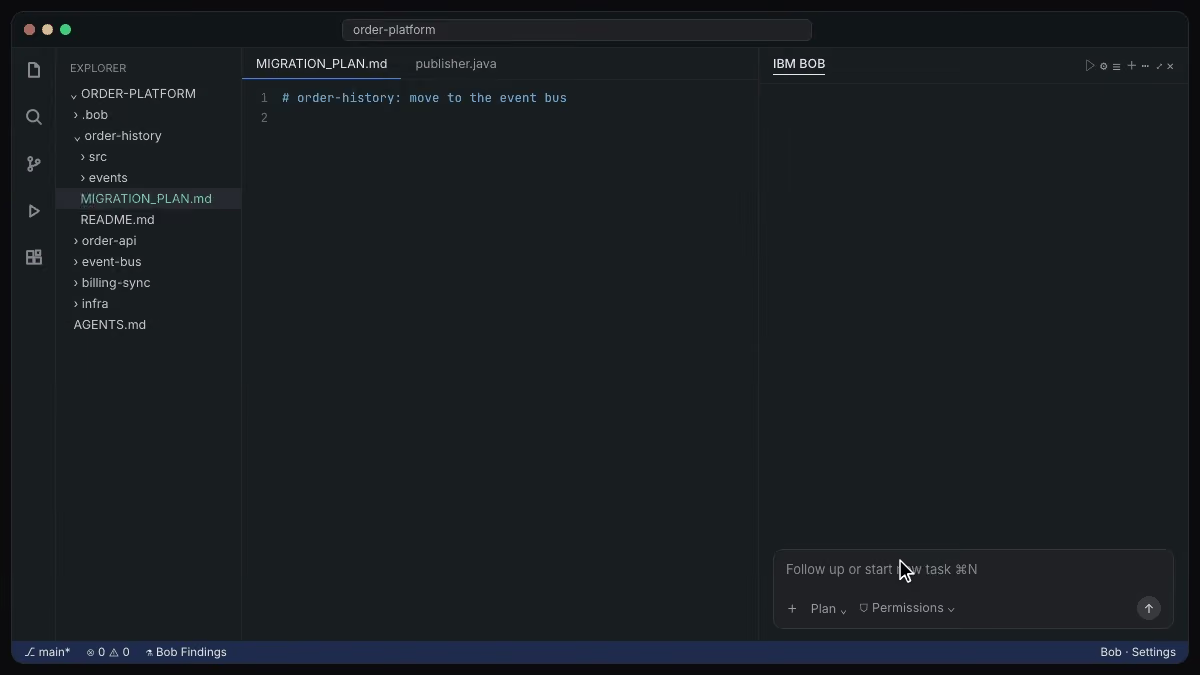

Atolio for IBM Bob
IBM Bob, now with your company context powering every line of code
FAQs
You connect Atolio to ChatGPT by adding Atolio’s Model Context Protocol (MCP) endpoint as an app.
A ChatGPT workspace admin adds the endpoint once and makes it available to your people. The first time each user uses it, they sign in to Atolio through your single sign-on (SSO), and every request after that runs as them.
Access is off by default on the Atolio side too. Your Atolio admins approve which tools can connect and which people can use them, so a pilot group can start first.
The same endpoint works in Codex, in workspace agents in ChatGPT and in agents your developers build with the OpenAI Agents SDK. You maintain one connection, not one per surface.
OpenAI updates how ChatGPT connects to outside tools often, so we keep step-by-step instructions in the Atolio setup guide rather than on this page.
Turning a tool or a user off in Atolio takes effect on their next request, so pausing a pilot is a single change.
ChatGPT receives only the context Atolio returns for each request, never your index or your source systems.
Atolio runs in your own cloud account or on-prem, under your keys. Your content, permissions and index stay there. When someone asks ChatGPT a question, Atolio finds the passages that user can see, ranks them and returns a short, cited answer for that request.
That response is handled under your agreement with OpenAI, the same as anything else your people type into ChatGPT. ChatGPT Business and Enterprise do not train on your workspace data by default.
Connecting ChatGPT to each system directly works differently. Each app pulls content on its own terms, and your security team reviews a separate path for every one.
With Atolio there is one path to review, one place to set policy and one log of every call, whichever AI tool makes it.
Your security team can review that log at any time, and it stays in your environment with everything else.
Atolio works with ChatGPT plans that let your workspace add custom apps over the Model Context Protocol (MCP).
Today that means ChatGPT Business, Enterprise and Edu, where an admin controls which custom apps people can use. OpenAI changes plan features often, so check the current list with OpenAI or ask our team.
On the Atolio side, there’s nothing extra to buy for ChatGPT. One Atolio deployment serves ChatGPT and every other AI tool you connect, and your Atolio admins decide which tools and people can use it.
Developers don’t need a ChatGPT seat to use Atolio in their own agents. Agents built with the OpenAI Agents SDK can call the same endpoint, with the same permissions and logging.
If your organization is still deciding on an AI vendor, Atolio lets you trial ChatGPT, Claude and Copilot against the same context, so you compare the tools rather than their connectors.
Your Atolio account team can walk through what your current plan supports.
ChatGPT sees only what the user asking is allowed to see in each connected system.
Atolio indexes content along with its permissions. Permissions sync continuously from your source systems and are checked on every query, so a change in Google Drive or Jira carries through in near real time.
Each request carries the signed-in user’s identity. Atolio filters results to that user before ranking, so restricted content never reaches ChatGPT.
For workspace agents and agents built with the OpenAI Agents SDK, admins can set a Knowledge Scope. A scope limits an agent to the sources and paths it needs, so a triage agent can read support data without seeing finance.
Every call is logged in Atolio with the user, the tool and the sources used, so your security team can see what ChatGPT and each agent accessed.
If someone loses access to a file or a channel, ChatGPT loses it too, without anyone updating a connector. That keeps answers in line with what each user could open themselves.
Yes, you can switch from ChatGPT to another AI tool, or run several, without redoing your Atolio setup.
Atolio’s endpoint follows the open Model Context Protocol (MCP) standard. Claude, Microsoft 365 Copilot, Gemini Enterprise, Cursor and IBM Bob connect the same way ChatGPT does, and each reads the same permission-aware index.
Your connectors, permissions, Knowledge Scopes and logs live in Atolio, not in ChatGPT. Moving to another tool means adding Atolio there. You don’t rebuild connectors, re-index content or repeat a security review.
Many teams run more than one assistant at once: ChatGPT for general work, Claude for analysis, Cursor or Codex for engineering. Atolio gives them all the same answers from the same governed source.
You can also see usage and token spend by tool, team and agent, which makes it easier to decide which licenses to keep.
Your people keep the same answers and citations while you change the tool around them.


